
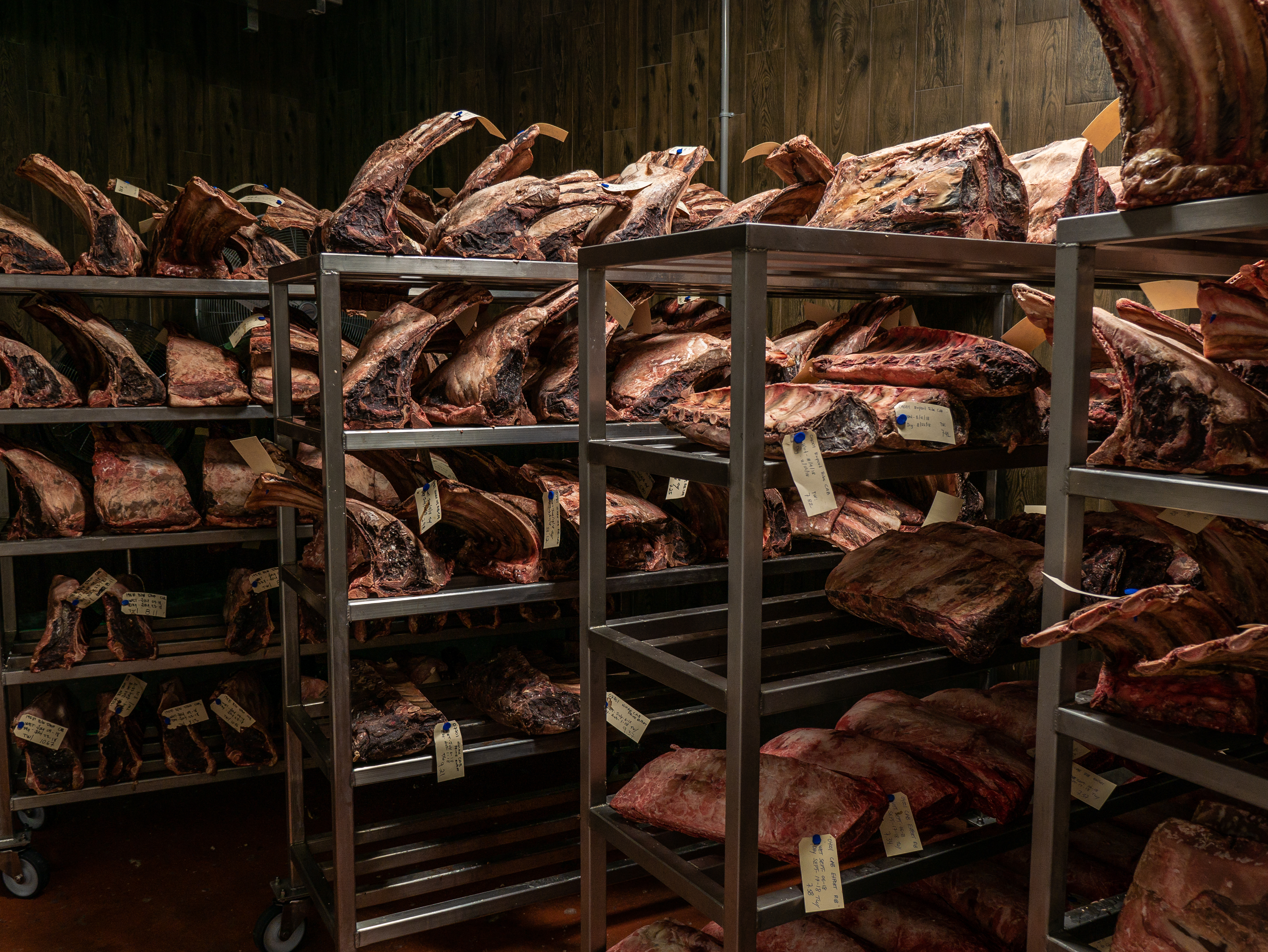
Taste the Difference
While there are many options out there, we’ve built our reputation on honesty, integrity, and a commitment to the producers and the craft of supplying the most innovative, progressive and finest tasting meat & seafood. Proudly family owned since 1834.

WHO WE ARE
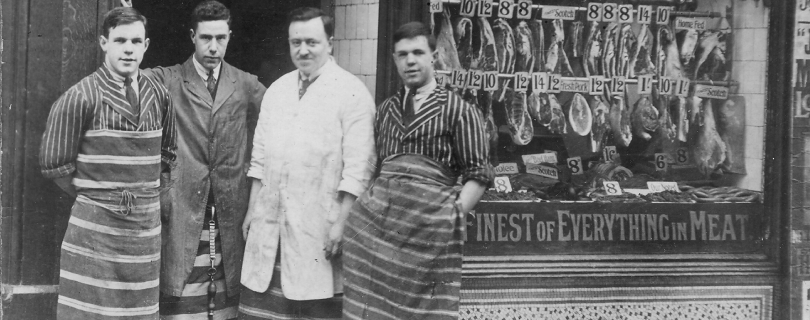
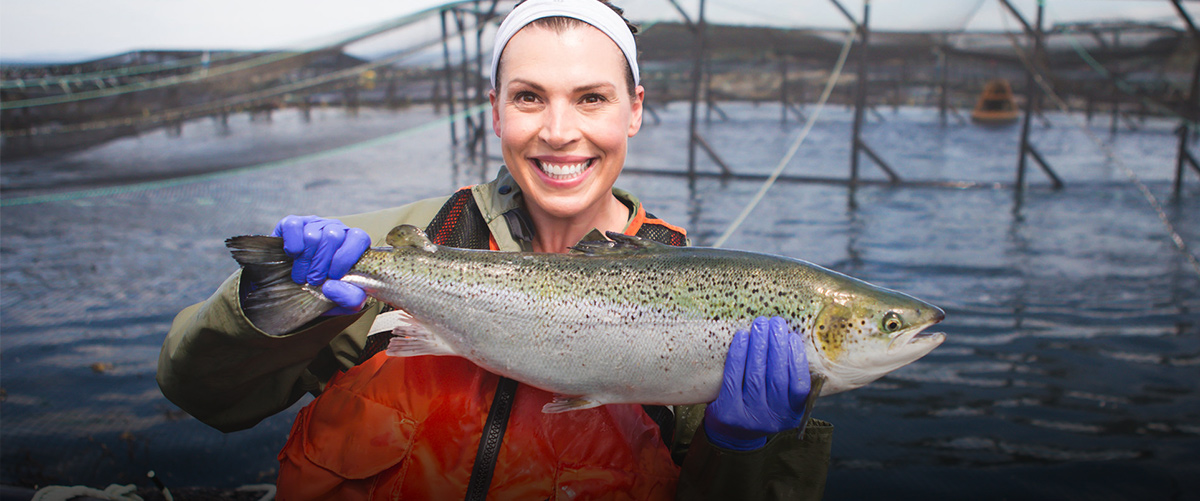
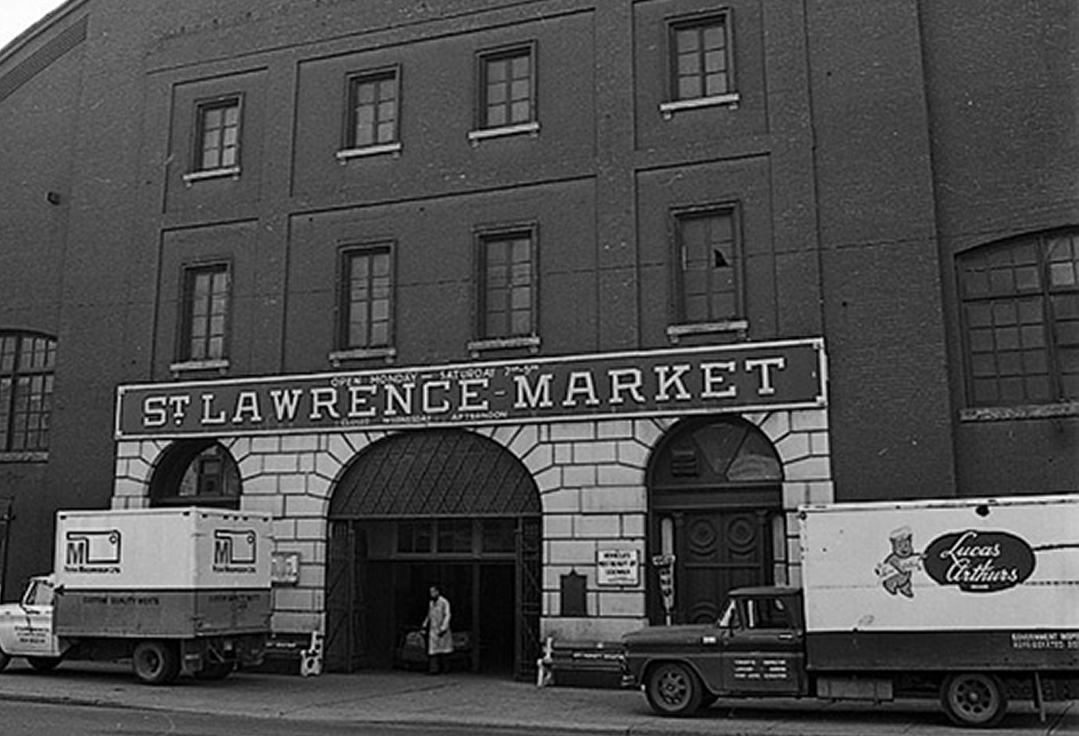
With roots dating back to 1834 at Toronto’s historic St. Lawrence Market, Macgregors Meat & Seafood Ltd. is arguably one of Canada’s longest standing family-owned purveyors. After 3 generations of Macgregor family ownership, the business joined the Gordon Food Service group of Specialty Companies, remaining proudly family owned. A dedicated true Centre-of-the-Plate Specialist™, we remain Canada’s only operation to process both raw and cooked (value-added) Certified Angus Beef® products under license. It is our passion to deliver inspiration, expertise, choice, and possibility across multiple protein categories, to foodservice and retail channels.

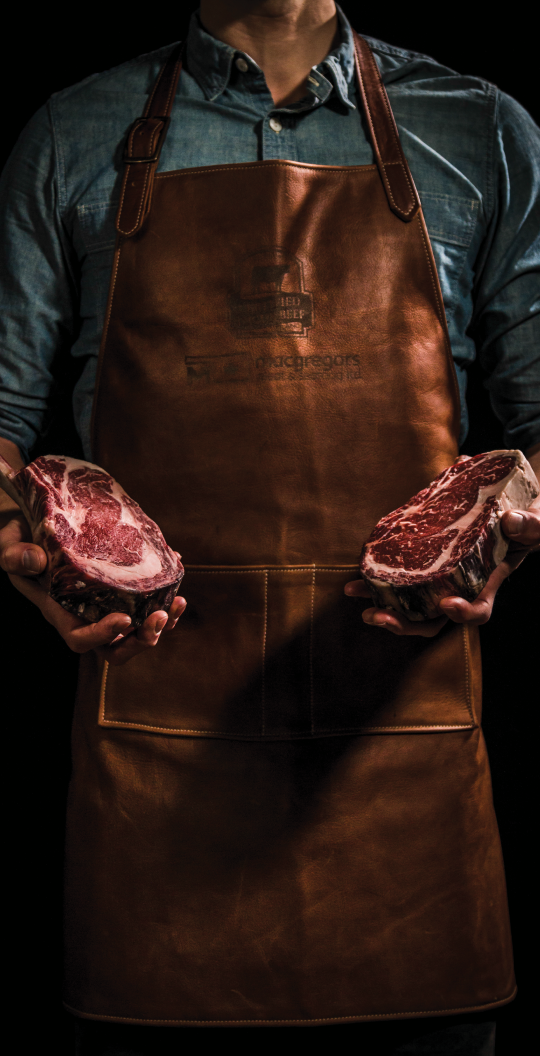
FOOD
SERVICE
With our dedication to sourcing the finest meat & seafood and our unique processing facilities and capabilities, we welcome you to explore our single-source range of products designed for foodservice professionals. We understand the foodservice landscape, and we make the effort to understand your needs.
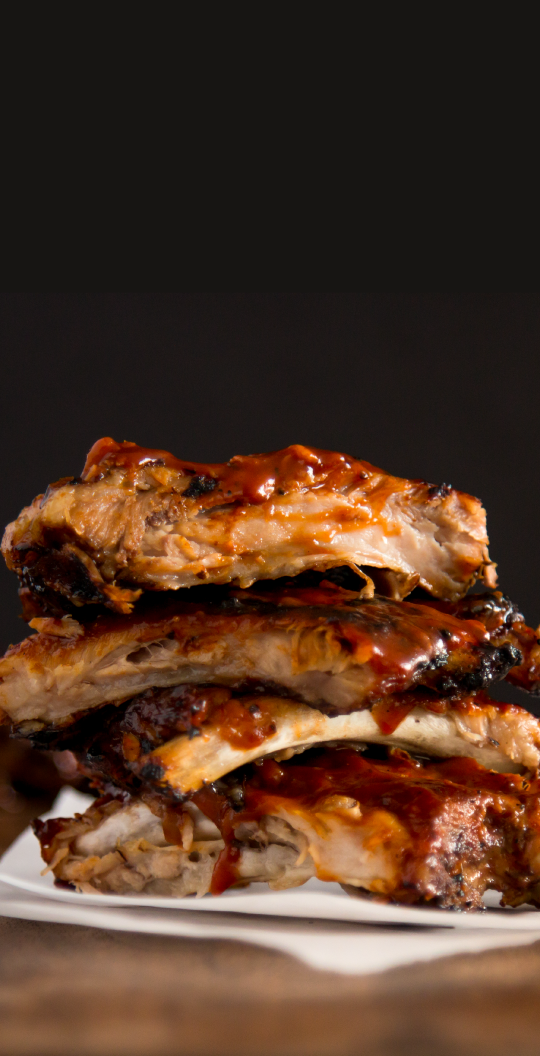
FULLY
COOKED
The ability to produce a wide variety of premium fully cooked, custom protein products using authentic techniques, cutting edge innovation and product development expertise in an industry standard setting facility is part of our story and what makes a true Center-of-the Plate Specialist™.
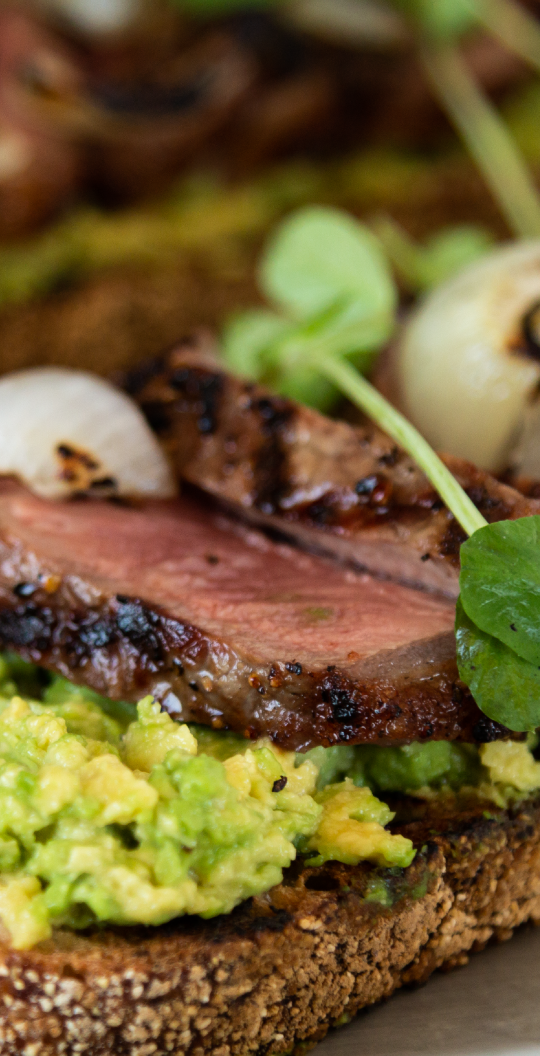
THE
STORE
Not since our bygone days in Toronto’s historic St. Lawrence Market, more than 50 years ago have Macgregors products not been solely exclusive to the restaurant trade. Now, at The Store, our passion and knowledge of operating through seven generations of Canadian family ownership is passed on to those who expect nothing but the best for their steaks, chops & seafood.